
May 23, 2024
How Long Does Window Replacement Take?
Windows play a crucial role in every household, offering a view of the outside world and allowing natural light to illuminate your home. However, when your windows start showing signs of wear and tear or fail to perform as they should, it might be time to consider replacing them. But how long does it take to replace a window? What factors influence the timeline of this essential home improvement project? Lets delve into the details to understand what you can expect and how you can ensure a smooth and efficient window replacement process.

How Long Does It Take to Install a Replacement Window?
Replacing old windows with new ones is typically a straightforward task, with skilled installers able to replace 10 to 15 windows per day. However, the process can vary based on factors such as the size of the windows and whether they are custom-made.
One key factor affecting the timeline is the ordering and manufacturing of replacement windows. Contractors often need to order windows and wait for them to be made or shipped, which can take anywhere from four weeks to 15 weeks. Custom windows , in particular, can add to the wait time due to their specialized production.
Despite the potential wait, the benefits of window replacement can outweigh the timeline. Fixing drafty windows and adding insulation, such as double-glazing, can lead to year-round energy cost savings, making the wait worthwhile for many homeowners.
Factors Affecting the Time Required for Window Installation
When it comes to the question of how long it takes to replace a window, the answer isn’t always straightforward. While a basic replacement can be completed in under an hour, various factors can affect the overall timeline.
Job Complexity
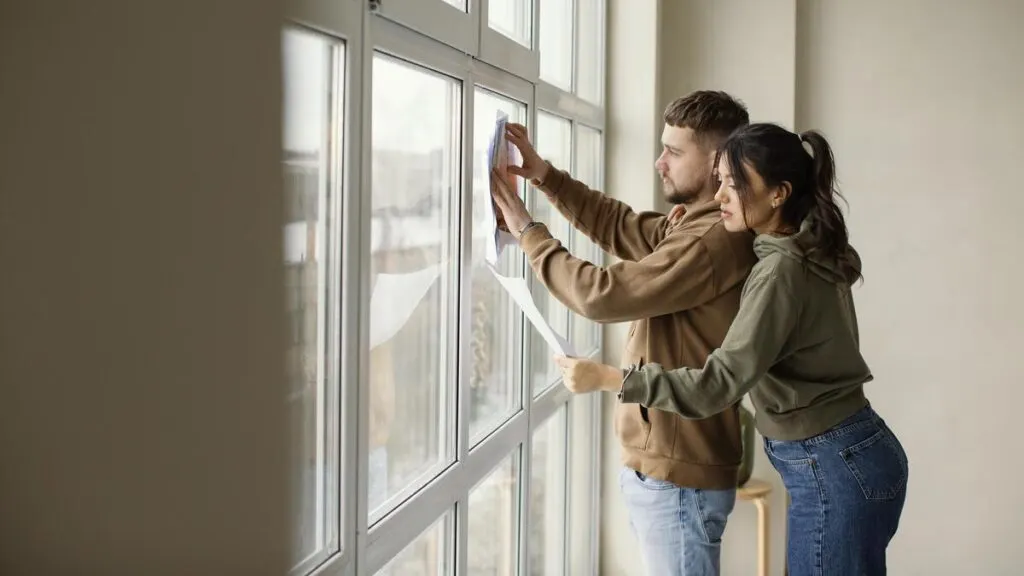
Handling window replacement can vary in complexity depending on the scale of the project. Whether its a simple pane replacement or a complete upgrade to double-glazed windows for your entire home, the scope of work directly affects the time required for completion. For instance, a larger number of windows, more panes of glass per window, or larger window sizes will naturally extend the installation timeline. This is particularly noticeable when dealing with custom windows, as they often require special orders and manufacturing. In such cases, its crucial to work with a professional window installation company that can manage the intricacies of the job efficiently.
Ease of access
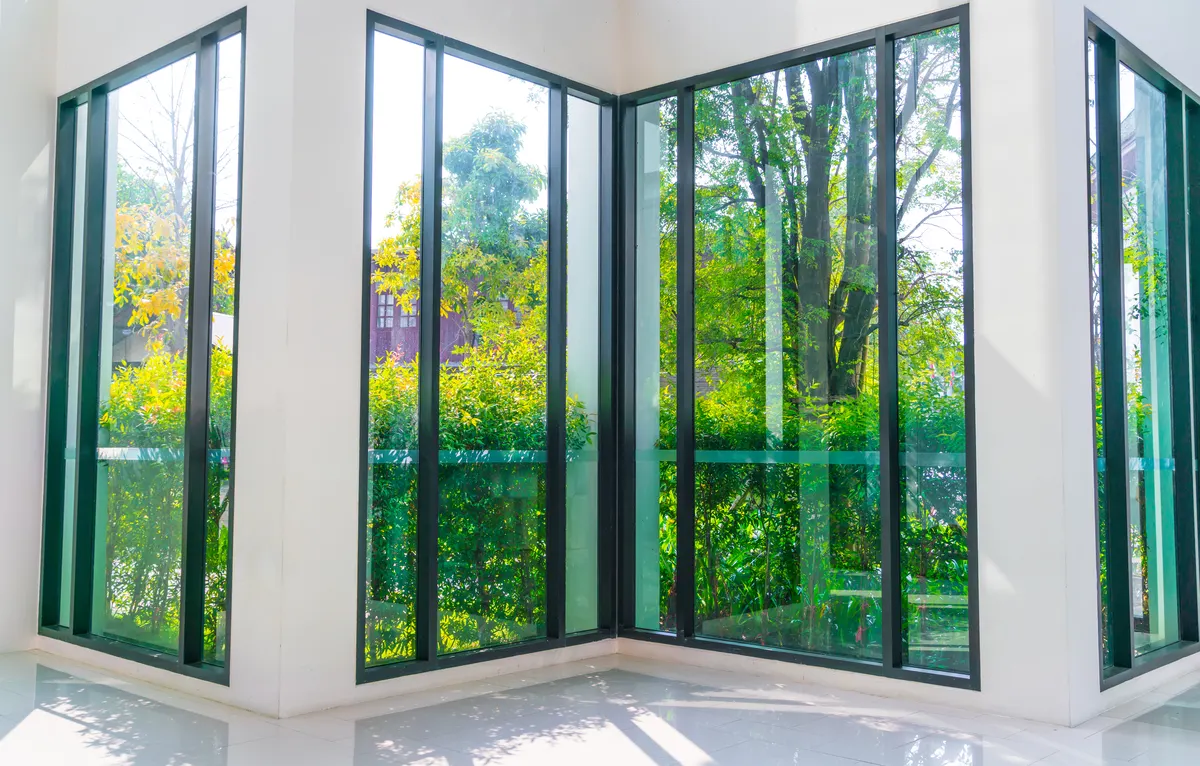
Installing windows that are not easily accessible can significantly increase the installation time. Factors such as windows blocked by plants or heavy furniture, or those located several stories up, require contractors to dedicate extra time to ensure safety protocols are followed. These situations may involve additional equipment, such as scaffolding or safety harnesses, to complete the installation safely. Additionally, careful planning and coordination are essential to minimize disruptions and ensure the project progresses smoothly.
Manufacturer
Selecting a manufacturer for your windows involves considering their location and shipping times. Local manufacturers can reduce wait times compared to those shipping from afar. However, factors such as supply chain disruptions or unforeseen events can impact delivery times. These delays could extend the project timeline by up to 15 weeks.
Retrofit vs. Full-Frame Installation
When considering window replacement, two primary methods are commonly used: retrofit installation and full-frame installation. Retrofit installation involves fitting the new window into the existing opening without removing the exterior parts of the home. This method is ideal for homes with intact window frames, providing a cost-effective and speedy upgrade option. In contrast, full-frame installation is a more extensive process suitable for older windows or homes aiming to enhance energy efficiency. It involves replacing every component of the window, including surrounding materials like studs and frames, making it more labor-intensive but offering a comprehensive upgrade.
In conclusion, retrofit installation offers a quick and budget-friendly option for upgrading windows, while full-frame installation provides a more thorough approach for homes with severe window issues or those seeking significant energy efficiency improvements. Understanding these methods differences can help homeowners select the most suitable window replacement approach for their needs.
In planning your window installation project, consider the materials involved. The type of glass, window frame, and even the siding on your home can affect the timeline. For instance, wood windows generally require more time for installation compared to vinyl windows due to the additional steps of sanding, priming, and painting. Additionally, if your home has brick siding , the mortar between bricks will need sufficient time to dry before completing the project. Taking these factors into account will help you better estimate the timeline for your window installation project.
Rules of the Homeowners Association
Adhering to local homeowners association (HOA) rules is crucial when planning window repairs or replacements. Typically, such projects require a permit. Additionally, gaining approval from your HOA is often necessary and can take varying amounts of time. Some HOAs might approve requests quickly, while others may take several months to process. To avoid delays, submit your request as early as possible.
Is it Time to Replace My Windows?
Replacing windows isnt just about fixing breakages, rot, or insulation issues. Consider window replacement for these reasons:
Improved Insulation: Upgrading to windows with low-E coatings, double panes, or other technologies boosts energy efficiency, leading to lower utility costs.
New Opening Styles: Explore fixed or awning-style windows for better energy efficiency by reducing air leakage, or opt for sliders for a more conventional choice.
Different Frame Materials: While vinyl and wood are popular, wood demands more upkeep. Metal frames are sturdy but offer less insulation.
Enhanced Window Glazing: Replace single-pane windows in older homes with double or even triple panes to enhance thermal performance and provide some soundproofing benefits.
What is the Price for Replacing a Window?
In the realm of window replacement, time is indeed money. The duration of the replacement process directly impacts the expenses incurred in terms of labor. Typically, individuals invest in installers at an average hourly rate, which varies. However, its crucial to acknowledge that the longer the replacement endeavor, the higher the labor costs tend to escalate. While the average expenditure per window replacement hovers around a certain range, its imperative to factor in potential complexities. Whether its the exchange of a retrofitted bungalow window or the installation of multiple windows in a penthouse, the intricacies of the task and the time invested significantly influence the final expenses.
Windows are vital components of any home, providing views and natural light. When considering window replacement, the duration and complexity of the process depend on various factors. Skilled installers can replace multiple windows in a day, but ordering and manufacturing custom windows can add significant wait times. Job complexity, retrofit vs. full-frame installation, ease of access, materials, manufacturer location, and HOA rules all affect the timeline. Despite potential delays, benefits like energy savings make window replacement worthwhile. Understanding these factors can help homeowners choose the best approach for their needs, balancing speed and thoroughness for an efficient window replacement process.
Frequently Asked Questions
How long does it take to replace a window? The time required for window replacement varies based on factors like the number of windows, their size, and whether they are custom-made.
What factors influence the timeline of window replacement? Several factors affect the timeline, including job complexity, the method of installation (retrofit vs. full-frame), ease of access to windows, the materials involved, the manufacturers location, and adherence to HOA rules.
What is the difference between retrofit and full-frame window installation? Retrofit installation involves fitting the new window into the existing opening without removing exterior parts, while full-frame installation replaces every component of the window, including surrounding materials like studs and frames.
How can I ensure a smooth window replacement process? To ensure a smooth process, work with a professional window installation company, plan for any necessary equipment like scaffolding, and consider factors like the type of glass, window frame, and siding on your home.
Is it worth replacing windows for energy efficiency? Yes, replacing windows with energy-efficient options like low-E coatings, double or triple panes, and proper insulation can lead to year-round energy cost savings, making the investment worthwhile.